Showing posts with label Air Filtration. Show all posts

Here's how your ductwork keeps you in discomfort

So when you think of improving your indoor heating and cooling comfort, what is the first thing that comes to the mind? The heating and cooling appliances? You are right! They are of course the primary factor for increasing the comfort level but not the only factor. Many homeowners, never think of other factors that would sooner or later affect the indoor comfort and the efficiency of the HVAC appliances. Take, for instance, Ductwork. How many people when they purchase a new Air Conditioner or Furnace also get their ductwork inspected for repairs or perform its thorough maintenance? Or more importantly, how many people actually find out how that the system they are installing is suitable for their ductwork or not. Not taking these considerations into account results in indoor discomfort despite having expensive appliances installed. This blog is dedicated to the ways in which ductwork problems could become the primary factor to affect the indoor comfort.


Here's how ductwork deficiencies affect your comfort 

Energy Star says that it causes an energy loss of 20% - 30% to a home with having ductwork issues active. The common ductwork deficiencies include;

Design problems 

When it comes to ductwork, the design is extremely important. The ducts are, therefore, designed with customized designs keeping the home's particular need into account. Poorly designed ductwork bars the proper distribution of air resulting in hot and cold spots, overburdening of the system and frequent duct wear and tear.

Leak problems 

The duct leaks result in escape of conditioned air to the areas where it is not needed. This situation compromises the comfort but raises the energy bills because a lot of conditioned air go wasted. Also, another consequence of duct leaks is that it affects the IAQ. The duct and debris of the ductwork find their way out into the living place.

Insulation problems 

Since the conventional large ductworks cannot be accommodated, they are installed in the basement, attic or anywhere underground. As the temperature of these areas is always more than normal, the temperature of the ductwork can get affected too resulting in the appliances running for extra time and high energy bills.

Recipe to a perfect Ductwork 

The recipe for a perfect ductwork comes with fixing the above-mentioned ductwork problems. Here are some additional tips to not let your ductwork hinder the level of your comfort;
- Always hire professionals for installing a ductwork
- Before purchasing a new unit, make sure it is suitable for the ductwork type
- Perform regular maintenance to avoid duct leaks
- When any duct leaks are found, fix them instantly. The smaller the leak,  the quicker the air will escape
- Be very careful regarding insulation. Perform ductwork insulation if you have high temperatures in the basement, attic and underground. It is recommended to have the ductwork insulated at the time of installation
- If your ductwork is new and is constantly worrying you, there are chances that it is designed wrongly. Do not hesitate to consult a professional regarding redesigning the ductwork if needed. It is better to make an in-time investment than to continue to waste energy and compromise comfort.

p1

Biological Contaminants - What they are and how to combat them?

We hear so much about different types of air pollutants but our focus remains on dust & debris. However, when the term ''Air Contaminants'' is taken, a lot more is meant than is understood. One such contaminant is the Biological Contaminants. Very few people know about these pollutants and only fewer know what to do to make the home safe from them. Let us help you understand the truth about Biological Contaminants, how harmful they can be and how to combat them.   

Biological Contaminants - What are they?

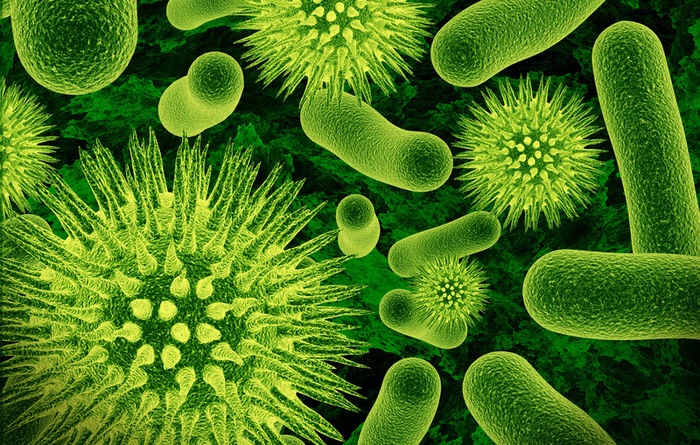
Biological Contaminants are basically living organisms that are hazardous for living beings i.e humans/animals if inhaled, swallowed or otherwise get absorbed in the body. This type of contaminants are caused by;
- Bacterias, carried by humans, animals or plants (yes, PLANTS)
- Viruses
- Mould
- Pet saliva and pet dander
- Dropped off body parts of living or dead insects and pests
- Pollens
- Dried urine of rats and mice
- Unmaintained central heating/cooling system (become home of bacterias)

And here an important question arises. What are the places in the home where biological contaminants are supposed to be present in abundance? Roughly, there are two such places;
1. Damp areas like wet bathroom floors, cooling coils, pans of humidifiers, ductwork (in case there is dampness)
2. Places where there is high accumulation of dust, like; curtains, draperies, carpets and bedding etc

Biological Contaminants

Are they harmful? Like how?

An impression comes from the name ''Biological'' that this type of contaminants can't be harmful or at least can't be so very harmful. Wrong wrong! Not only can Biological Contaminants be harmful, they can also become life-threatening depending on the severity of the situation. However, the common problems caused by this type of contaminants are;
- Watery eyes
- Shortness of breath
- Sneezing
- Dizziness
- Coughing
- Fever
- Digestive problems
and
- Lethargy
With a continuous exposure to the biological contaminants, the illnesses may go unusually serious as said earlier.

Ways to reduce exposure to Biological Pollutants

Instead of using high-cost appliances, medicines and other anti-allergens, there are simple practices that if followed can reduce the exposure to Biological Contaminants and thus automatically reduce the risk of consequential illnesses.

- Don't let water stand in i.e, bathrooms, around HVAC appliances, on kitchen slaps and other such places. Dampness is a perfect ground for the Biological Contaminants to originate and grow
- Make in time use of exhaust fans in kitchens and bathrooms. Exhaust contaminants before they could spread in the indoors
- In case Humidifier or other similar appliances are being used at home that needs refilling of water regularly, be very precise about following maintenance instructions. Refill water regularly as suggested by the manufacturer
- If you face basement flooding, fix it as early as possible. Better go for a reliable waterproofing solution
- Don't leave water damaged property, i.e carpets etc to dry on their own. Clean/dry/replace them as early as possible, preferably within 24 hours
- The level of Biological Contaminants can significantly be reduced just by keeping more cleanliness
- Maintain relative humidity level of 30% - 35%
- Last but not the least, if you're too lazy to keep all those careful approaches, consider installing an Air Cleaner

Things aren't as simple as they seem and aren't as demanding as they're depicted. It is only by using a careful and responsible approach towards our health and homes that we can make the indoor environment a place of healthier, cleaner and fresher breathing.

p1

3 serious problems caused by not changing Air Filters

There are instances when you fall sick or experience a problem at home but are uncertain about the cause. While the problem might be big and irritating, the cause is often something easy to fix. Today, let's us talk about the problems that are caused by not changing the Air Filters regularly.

Air Filters

In case, you aren’t sure what do we mean by Air Filter, read this paragraph before moving on.
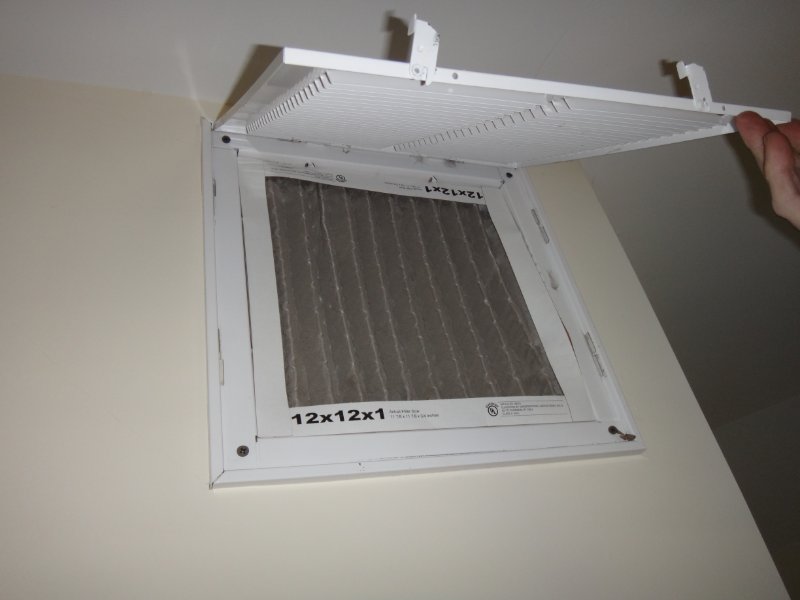
As the name suggests, Air Filters are basically Filters that Filter the air and clean it. They are made up of a fibrous material and can remove solid particles like mould, dust, pollen and bacteria etc. Some Filters also combat smoke and odours but they work in combination with other mediums. A simple air filter primarily only traps solid particles. They’re placed on the supply and return vents of the duct system and also sometimes within an appliance as in case of a Furnace.

Air Filter

3 Problems caused by not changing Air Filters

The question almost all HVAC professionals ask when they're contacted for an AC problem by homeowners is whether or not the homeowner changes Air Filters regularly. While Filter changing takes hardly five minutes, a vast majority doesn't care about regularly changing the Filters primarily because they think all an Air Filter does is filtering the air and are unaware of other consequences that a dirty Filter causes. Let us talk about what else a clogged filter has the potential to do other than blowing dusty air towards you.

1. A sudden breakdown! Oh Gosh!

You heard it right. Clogged Air Filters can lead your system towards a sudden breakdown. Since on dirty clogs, the system needs to insert more energy to blow air through, it uses more power and as a result strains the motor more than what it is designed to afford. Motor burns!
And a burned motor is synonymous to purchasing a new Air Conditioning system. An expense of almost $4000-$8000.

2. Comfort turns to discomfort

Why in the first place do you need an Air Conditioner? Because you need to keep yourself comfortable in the indoors! What use is then of an Air Conditioner if it doesn't provide comfort? By not changing Air Filters, you choose to live in discomfort. It is already understood that the system gives off dusty air but more than that, the air it provides is also less cool since clogged filters suffocate the system. Just like when you've your hand clamped over your mouth and it results in shorter breaths, the same happens with your AC system. It receives lesser air through return ducts and has less air to treat. Moreover, restricted air flow causes the refrigerant coil to freeze up and this restricts the airflow even further. As a consequence, you've fatty energy bills but limited cooling.    

3. Unbearable energy bills

The word ''unbearable'' is no exaggeration. Imagine your system running double or even more than required using more and more energy. What else should you expect other than fatty energy bills that would shoot your anger right away? It's not the fault of the electricity company neither are they charging you extra. It is just that you've been too lazy to change/clean the filter that has led to this consequence. Clogged Filters raise bills up to 15%.

Bottom Line


Maintenance takes time be it less or more but the benefits of maintenance are several as well as long term. Not only does maintenance elongate the life of your HVAC system, it also keeps its efficiency maintained and keeps bills limited. Changing of Filter comes under maintenance and as said it takes hardly 5 minutes to change Filters, that too needs to be done only after 3-6 months depending on the level of dust in your home. Therefore, perform regular maintenance and enjoy durability and affordability at one time.

p1

AC Maintenance for Homeowners

Whether your house comprises of one Air Conditioner or more, maintenance is required. Without it, you’ll end up spending too much money on repairing and the other services to be done by professionals. For maintenance, following steps should be followed with regards to Air Conditioners.

  1. AC+maintanace.png


Clean the exterior condenser
This gets blocked by debris, dirt and other pollutants. For cleaning, remember to turn off the power. Using a vacuum with a soft bristled brush, clean out the exterior part of the condenser. Lift the lid and take out the fan, clean off dirt from there. After precise and careful cleaning, make sure you place the fan back in the unit and set the wires properly. Check the thermostat. Voila! the first step has been done.


Clean the interior Air Conditioning condenser
Do this by first turning off the power, removing the furnace filter and changing it if necessary. Open the panel to expose the blower compartment, gently blow away any debris. Locate the condensation drain tube and gently disconnect it. To prevent algae growth, you can either replace the tube or clean it using a bleach and water solution of a 1:16 ratio. Pour the solution through the tube. Clean the drain port, reconnect the drain tube, and turn the power back on.

Clean return air vents
Use a vacuum to suck off loose debris. Clean the tight areas by using a rag over a butter knife.

Clean Floor registers
For this purpose, unscrew and remove the vent. Since this area is on the floor, pet hair, too much dirt and other pollutants can easily get stuck in there so try using soapy water to clean the area. Leave it for half an hour or so until it dries up to screw the vent back again.

Clean the air-conditioner unit
Initially, for this, turn off the power. Clean the fins using a small and soft bristled brush. This is a very sensitive work as the fins can bend easily and break off. Be gentle in cleaning them. Remove any yard waste such as vegetation growing around the unit to prevent airflow problems.

Change your air filter
The air filter needs to be changed every 30-90 days for optimal performance.  This includes the following:
Locate the filter compartment around your furnace: The filter compartment is usually covered with metals strip.
Install the new air filter in the proper direction: Note the direction of airflow that is marked on the edges of the old filter. To avoid installing filters in the wrong direction, mark the metal strip with a permanent marker that covers the filter compartment.

Keep pests out
When critters get into your home’s HVAC system, they can cause great damage. Their presence and leftovers have a great negative impact on the indoor quality. Indoor air quality issue includes odour of the dead pests and other pollutants left behind in your HVAC system. The odours will move around your home as conditioned air circulates around the duct system. The use of pesticides for pests affects the quality of air inside your home because of the chemicals present in them. To keep the pests and odours out, following measures should be taken:

  • Seal your ducts; gaps, crack and larger disconnections in the system that create a point of access to enter HVAC or your home.
  • Install flue and vent covers; vent covers should be installed on all exterior flues, intakes and exhaust vents.
  • Protect your air-conditioning condenser; Keep the area surrounding your condenser clear by cleaning around it on a regular basis.

p1

All what you need to know about Air Filtration systems

What is an Air Filtration system?


Air Filtration systems also called Air Purifiers are basically devices used to filter the air. The dust, debris, smoke, odour, pet dander, moulds and other air pollutants make the indoor air unhealthy to breathe. By using Air Filtration Units, these pollutants can be trapped in the filters of the system and the circulation of fresh and healthy Indoor Air is made possible.


How does Air Filtration System Work?

  
The Air Filtration systems of Air Purifiers are of different types. Some are used in combination with the home Furnace while others work independently. In both cases, the working principle is almost the same. The system sucks the Air in the room and passes it through its filters that are mainly HEPA (High-Efficiency Particulate Air) filters. The HEPA filters have an amazing tendency to trap almost 99% of air contaminants of size greater than 0.3 microns. The purified air then comes out of the system and circulate in the room. The process continues and the Air continues to get filtered.


Advantages of Air Filtration Systems/Air Purifiers:
In this time of every increasing pollution, Air Purifiers are no less than a blessing for the provision of purified Air. Below are some advantages of the Air Purifiers:


Ultimate Filtration:
The filtration efficiency of a filtration unit varies model to model, however, a high -efficiency, quality unit can remove 99.9% of impurities of size 0.3 microns and bigger. This drastically purifies the Air and makes it healthier to breathe eradicating the possibilities of diseases.


Treats Asthma:
Some Air Purifiers are designed keeping in mind the special needs of people suffering from sinus, asthma and other allergies. Such models are particularly useful in homes where there are patients with the mentioned health issues.


Sucks Smoke:
While you inhale the smoke, there are some Air Purifiers that are designed for smokers so that the consequences of indoor smoking may easily be combated. These devices remove the smoke from the air so that it does not contaminate the air for other members of the home.


Prevents Odour Preserve Decor:
Some Air Filtration units also help combat room odours like smoke, cooking, and others. Moreover, the Air Purifiers are also helpful in keeping the home decor since they trap the particles that contribute to the damage of furniture, wallpapers and other equipment.


Disadvantages of Air Filtration Units:
Every home comfort appliance if has its pros has its cons too and Air purifiers are no exception. They too have some disadvantages, however, these disadvantages can be countered using safety strategies and doing proper maintenance:


Ozone Emission:
Ozone is harmful! The most hazardous effect of Air Purifiers is that they begin to emit ozone if not well maintained. This gas is severely harmful, particularly for elderly and children. Consequently, instead of purifying air, they begin to impurify it worsening the indoor air quality.


Non-efficient for combating gases:
It has been proven that the Air Purifiers have so far not been very efficient with combating gases and odours. Some products may claim to do so, but the filtration an Air Purifier mainly does is of dust, debris, pet dander, and other such clear particles.


Can't trap small particles:
As mentioned above, the best an air purifier can do is to trap particle of 0.3 microns and greater. Particles below this size do not get trapped and thus remain in the Air that we breathe.


Bottom Line:
Everything has its pros and cons. The best way is to go natural and grow plants inside the home to filter Air. However, in case you choose to use Air Purifiers, make sure the pros do not turn into cons. For that, purchase quality products and take services from a reliable HVAC service provider.  


p1