Showing posts with label Ductless Air Conditioners. Show all posts

Things to Keep In mind For the Better Performance of Air Conditioner


The summer season has arrived, and so do the grueling heat. We are currently in the height of summer where the sun is beating down, and mercury has soared into the red. We can’t even think to compromise or deal with any problem that can turn into an expensive breakdown of our air conditioner or result in unbearable indoor temperature.

To have uninterrupted and best cooling for your home keep these hacks in mind that increase the efficiency and extend the life span of a heating and cooling system.


AC maintenance and home cooling Tips:

A well-maintained AC unit works way more effectively to cool the place and cost you less money to run. You can perform the following DIY maintenance on AC to avoid any unpleasant experience or emergency breakdown.

Optimize the thermostat setting:

Homeowners should frequently check the thermostat to make sure it is working fine. Increase the temperature for times in a day when there is no one in the home. As it can reduce the energy bill and eventually your hard-earned money.

Tip: Having a mechanical or old thermostat? Consider upgrading to a smart or programmable model.

Clean and Replace Air filters:

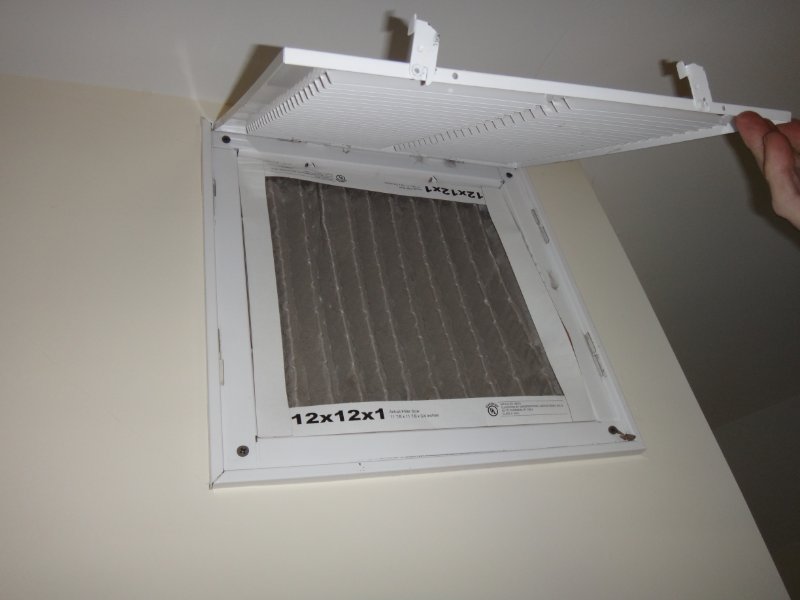
The debris in the air filter can reduce the airflow, making AC to work harder than usual. Therefore, cleaning or replacing air filter is regarded as the essential Ac maintenance chores.

In summers, it is advised to clean air filters every month or replace it in case you do not have the reusable filters.

Inspecting wiring and components:

Before turning on an air conditioner, ALWAYS make sure to disconnect the power to the unit. In the next step, ensure the access panels are removed and see if there are any signs of overheating.
The electrical connection needs to be strong and firm that you can check by test meter.

Clean the coils:

Coils should be timely cleaned as dust keeps on accumulating and interfere with the functional operation of the coils.
Clean coils reduce the bill while dirty coils consume more than 37% energy. 

Checking the condensation line:

Condensation drain can quickly be clogged and decrease the overall speed of draining. In case a heavy condensation line is developed, avail the professional assistance from the HVAC professional.

What Does an HVAC professional do to make air conditioner ready for summer?

It is recommended to get expert HVAC maintenance for the improved performance and cool summer. A professional HVAC technician performs the following steps to keep your air conditioner all set for the scorching summer:


- Checking thermostat wiring


- Inspecting home ducting and ventilation


- Taking the reading of defrost cycle


- A thorough inspection of the indoor coil and condenser coil.


- Making sure the belt tension and blower motor function are working accurately


- Making sure the condensation pump is working alright


- Electrical components, contactor connection, system wiring, and electrical connection are placed and functioned correctly.


- HVAC professional ensures the air is entering through the outdoor coil and measure the temperature of the air to reconfirm that it falls within the manufacturer's chart values.

The next time you feel receiving a compromised Air Conditioner efficiency, consider these to do's. 


p1

3 Signs your Air Conditioner desperately needs an HVAC tech

In the midst of hot summer, who wants his Air Conditioning system to fail? No sane person ever wishes this for his home but guess what, not enough people take the prerequisites to avoid sudden appliance breakdowns. And usually, no HVAC appliance fails without showing some prior signs. Appliances do show some signs when they are in need of maintenance or repairs. When these signs are neglected, the result comes in the form of breakdown. This blog is to help you find out in time when your Air Conditioner needs help. There are a few easy to notice signs.


- Dropping efficiency

You can tell when you are uncomfortable even when the Air Conditioner is on. You can compare your current level of comfort from that of the last year and can easily decide that the AC is not as efficient as it used to be. This kind of significant change in efficiency in one year is an indication that there is something wrong with the system that needs to be fixed. If you did perform proper maintenance & cleaning before starting the unit, are following the same temperature schedules and the weather is not unusually hot, then there's something that requires an HVAC tech's help. So as soon as you suspect a noticeable drop in the unit's efficiency, call a professional as early as possible.


- A sudden rise in energy bills

Energy bills are always loathsome, aren't they? But they become equally shocking sometimes. That happens when there's a sudden rise in them. Your usage remains the same but the graph of monthly energy bills changes. Although Air Conditioners as they get older do start to consume more energy, this does not happen over the course of a month or two. So if your bills have suddenly started to become coarse towards you, there's an indication of something annoying the system. It could be dirty filters, leaking ductwork, problematic compressor or something else. Take also this sign seriously.


- Frequent Short Cycling

One of the indications of the Air Conditioner going through something serious is when it short cycles frequently. Short cycling is when the AC turns off and on. The possible causes of short cycling are dirty filter or compressor fan, frozen evaporator coils or electrical wiring issues. So as your Air Conditioner starts to short cycle frequently, consider calling a professional to inspect what's wrong.

They say prevention is better than cure. Every year, many homeowners have to face serious accidents or costly repairs and the reason behind is not performing maintenance or ignoring the repair signs that the system shows. We as HVAC professionals suggest homeowners to learn at least the basics of their HVAC appliances and especially about the signs of appliance sickness so that preventive measures can be taken in time.

If your Air Conditioner shows all or one of the above-mentioned signs then don't postpone calling out a professional for help.

Some hundred dollars spent on in time repairs are better than the thousands of dollars that you'll have to spend otherwise on worsen damages or entire unit replacement. Be wise towards your HVAC appliance.

p1

Summer Preparation and General HVAC Tips for Summer

For some people, Summers is the most delightful season because they're able to make the most of it by spending time with the friends and family, enjoy vacations and most importantly, enjoy the time they spend in the indoors. Contrary to this, there are several Canadians that loathe Summers primarily because of the thought of heat that they'll have to bear. For them, Summer spoils all joys. But after a careful analysis, we've come to this solution that people who have a hard time bearing Summers are the same people that do the least to maintain their HVAC systems. As a result, they've a hard time keeping themselves cool in the indoors. And then, who is comfortable to enjoy himself in an intense heat? None!


All seasons are beautiful. What makes them loathsome is the fact that we are not able to bear their severeness. Ask someone with a poor indoor heating system whether or not he likes Winters and he'll tell you that Winters for him is synonymous to discomfort. The same is true for someone's views about Summers who is having a poor cooling system.
By now, we're able to make sense of the statement that in order to enjoy all seasons, what is important is to follow the rights practices for that season. And when it comes to the indoor heating and cooling, the right HVAC practices are the backbone for comfort. We want you to enjoy all seasons and to make it possible, we're providing some general HVAC tips for Summers as well as some insight into Summer preparation.


Tips-for-Cooling-Your-Home-This-Summer-Picture-1.jpg


General Summer Tips

  • Tune-Up
You'll know that Summers have begun when sleeping in an afternoon, you wake up with your skin sweating and a desperate need for cooling.  A majority of homeowners rush to turn their systems on as soon as they feel hot, without any prior tune-up and maintenance. But you are not suggested to do the same. Bear the heat for some time, as long as the system is not properly made ready to run. And here's what you need to do for that.

Changing of Filters:

Whether or not the system was active, it is sure that it must have been dusty. Begin with cleaning the filters. Please note that if the Filter seems torn, try to install a new filter. It is recommended to use an improved model of Filters if they're supported by your system.


Cleaning the Condenser coil:

Just like dirty filters affect the efficiency of the system, the same goes for dirty condenser coils. These coils are responsible to throw heat outside in order to cool the refrigerant. The refrigerant that is responsible for cooling the home. When the coil is dirty, it fails to do its work consequently failing to cool the refrigerant. And thus, no or reduced cooling results. In addition, a dirty coil lets your system work harder and raises the energy bills. Clean the condenser coil before turning the system on.


Checking the refrigerant Lines

Refrigerant lines are basically the copper coils that connect the outside condensing unit to the inside evaporator unit. These pipes are made insulated using a foamy material. Over time, the insulation may get old enough to be made again. Carefully check the coils for any repairs and make sure the pipes are properly insulated.


  • Turning the system on

And now, you're good to go to turn the Air Conditioner on. But even when turning the system on, be alert to suspect any unusual sounds or performance. If the unit makes unusual sounds and they continue to come even after hours or it unusually cools the home/doesn't cool at all, considers contacting an HVAC professional.


HVAC Summer Preparation Tips

  • Maintenance

The best tip to get your system prepared for Summers is to have it tuned-up. Either call a professional for the maintenance or do it yourself but do it anyway. Systems that are properly made ready and then turned on, work better than those that are randomly turned on on any Summer afternoon.


  • Turning up Thermostat when you're away

Raising the Thermostat up when you are away helps save a lot of energy and as a result a lot of dollars. HVAC professionals do not suggest shutting the system completely off when you're not at home. That is partly due to the reason that heat and humidity give way to mould, spores and other bacteria in the house, also causing a fishy odour that does not go easily. However, raising the Thermostat to 80-85 F not only keep the home in shape but also create a comfortable temperature easily when you're back.
If you've a programmable Thermostat, you can easily set the temperature to change on the day you're supposed to return. Or if you've a Smart Thermostat, no one has an as comfortable life as you have. Click from anywhere, and set your desired temperature!


  • Surge Protection

It is always wise to use technology in order to make your home safer and safer. While you're away on Summer vacations and there's a power outage, there's nothing you'll be able to do from miles away. Since the system would be running, it might get damaged. To stay safe and worry free, we suggest installing a surge protector. A surge protector helps protect the system when there's a power outage, power shortage or power over flow.


  • Filter Maintenance


Enjoy Summers but let your system be at ease too when you're away enjoying on the Scandinavian beaches. When you're home, it's easy to change the filter, but when you're away who will do it? Change/Replace the filter before leaving so that a replacement is not needed for at least 3 months. Hopefully, you'll be back by then. Who spends that long holidays, hmm?

p1

Why is my Air Conditioner blowing hot air?

One of the most common problems that homeowners face during Summers is insufficient cooling. On extreme hot Summer days, the reason of insufficient cooling is the outside temperature that affects the cooling while on other days there could be other reasons like the dirty filters, the problematic compressor or the leaking refrigerant contributing to the lack of cooling. However, it needs to be understood that Air Conditioner giving insufficient cooling and Air Conditioner blowing hot air are two different things with different reasons and different solutions. Let us explore when does the Air Conditioner blow hot air and how to fix it.

DIY AC Repair

Reason 1: Disturbed Thermostat

The Thermostat technology is advancing with every passing year. Touch Screen Thermostats took the place of Mercury Thermostat and then that place was taken by the Smart Wifi Thermostats. Although the upcoming new models of Thermostats are more energy saving and more advance, it is unfortunate that more than many homeowners fail to make the most of them by not using them properly. Air Conditioner begins blowing hot air when the Thermostat is set from cool to heat or from auto to ON. By changing the setting to ON, the fan is asked to operate continuously. And when this happens, the AC fan keeps blowing air even when the system isn't working. This way, the air coming from the supply ducts would feel warm since it hasn't been conditioned.  

Reason 2: Insufficient air flow

Restricted air flow which is mostly caused by dirty filters is another reason of why the Air Conditioner blows hot air. The simple fix to this issue is cleaning the Filter, however, if the problem persists, it is recommended to contact a reliable technician.

Reason 3: Electrical Issues

The electrical issues could also be the reason of hot air supplied by the Air Conditioner. As a result of a fuse or a tripped circuit breaker, the electrical supply to the outdoor unit gets disconnected and it stops working. In this case, it is suggested to call a professional to fix the electrical issues.

Reason 4: Refrigerant Leaks

Refrigerant used as a liquid or gas in the Air Conditioners as a refrigerating medium often gets leaked through the refrigerant lines and give way to the reduced efficiency of AC since the system fails to cool the air and thus begins to blow warm air in the indoors. Refrigerant leaks need a leak repair before the refrigerant is refilled. If a hissing sound is heard from the compressor or the refrigerant lines have ice around them, it is an indication that the refrigerant is leaking. Once suspected, call on a professional asap.     

Reason 5: Dirty Condenser
Condenser needs a sufficient space around it for it to operate properly. While you might give it that space at the time of installation, it is probable that the accommodation is taken by dirt, grass, weeds, plants and bushes that had grown around it. When this happens, the compressor unit can't breathe well which simply means an airflow restriction has been created. This restriction causes warm air to be blown inside.

Reason 6: Condenser problems
In addition to a dirty condenser, there are other Condenser issues that cause the Air Conditioner to blow warm air. For example, electrical issues as said above, overheating,  refrigerant leaks and loose compressor parts etc. All these problems result in either partially affecting the operation of the Air Conditioner or completely affecting it. If not fixed in time, the compressor issues may also lead to complete Air Conditioner break down.

p1

3 serious problems caused by not changing Air Filters

There are instances when you fall sick or experience a problem at home but are uncertain about the cause. While the problem might be big and irritating, the cause is often something easy to fix. Today, let's us talk about the problems that are caused by not changing the Air Filters regularly.

Air Filters

In case, you aren’t sure what do we mean by Air Filter, read this paragraph before moving on.
As the name suggests, Air Filters are basically Filters that Filter the air and clean it. They are made up of a fibrous material and can remove solid particles like mould, dust, pollen and bacteria etc. Some Filters also combat smoke and odours but they work in combination with other mediums. A simple air filter primarily only traps solid particles. They’re placed on the supply and return vents of the duct system and also sometimes within an appliance as in case of a Furnace.

Air Filter

3 Problems caused by not changing Air Filters

The question almost all HVAC professionals ask when they're contacted for an AC problem by homeowners is whether or not the homeowner changes Air Filters regularly. While Filter changing takes hardly five minutes, a vast majority doesn't care about regularly changing the Filters primarily because they think all an Air Filter does is filtering the air and are unaware of other consequences that a dirty Filter causes. Let us talk about what else a clogged filter has the potential to do other than blowing dusty air towards you.

1. A sudden breakdown! Oh Gosh!

You heard it right. Clogged Air Filters can lead your system towards a sudden breakdown. Since on dirty clogs, the system needs to insert more energy to blow air through, it uses more power and as a result strains the motor more than what it is designed to afford. Motor burns!
And a burned motor is synonymous to purchasing a new Air Conditioning system. An expense of almost $4000-$8000.

2. Comfort turns to discomfort

Why in the first place do you need an Air Conditioner? Because you need to keep yourself comfortable in the indoors! What use is then of an Air Conditioner if it doesn't provide comfort? By not changing Air Filters, you choose to live in discomfort. It is already understood that the system gives off dusty air but more than that, the air it provides is also less cool since clogged filters suffocate the system. Just like when you've your hand clamped over your mouth and it results in shorter breaths, the same happens with your AC system. It receives lesser air through return ducts and has less air to treat. Moreover, restricted air flow causes the refrigerant coil to freeze up and this restricts the airflow even further. As a consequence, you've fatty energy bills but limited cooling.    

3. Unbearable energy bills

The word ''unbearable'' is no exaggeration. Imagine your system running double or even more than required using more and more energy. What else should you expect other than fatty energy bills that would shoot your anger right away? It's not the fault of the electricity company neither are they charging you extra. It is just that you've been too lazy to change/clean the filter that has led to this consequence. Clogged Filters raise bills up to 15%.

Bottom Line


Maintenance takes time be it less or more but the benefits of maintenance are several as well as long term. Not only does maintenance elongate the life of your HVAC system, it also keeps its efficiency maintained and keeps bills limited. Changing of Filter comes under maintenance and as said it takes hardly 5 minutes to change Filters, that too needs to be done only after 3-6 months depending on the level of dust in your home. Therefore, perform regular maintenance and enjoy durability and affordability at one time.

p1

HVAC Add-on Components Maintenance

There's no denying the fact that the major heating and cooling comfort that you enjoy at home comes from your Air Conditioner, Furnace and Heat Pumps but did you ever realise that there are other HVAC components too that adds to this comfort? They are the HVAC add-on components. While you keep care of your major heating and cooling appliances i.e AC, Furnace, Heat Pumps, do not forget that these components need maintenance as well. Let's guide you regarding the maintenance of those components. So what to begin with? Humidifier? Alright!

maintenance.jpg

Humidifier Maintenance Tips

Ever faced a situation when the air was so dry that it almost stuck in your throat every time you breathed it. This happens when there's a very low level of moisture in the air but thanks to Humidifiers for making our indoor environment perfectly well for breathing and saving us from such uneasy breathing. While they take a lot of care of us, how about taking some care of them? Well, your Humidifiers won't ask anything exceptional from you. Just a little cleaning and checkup that everything in them is all set.

Whole-home humidifiers are what most of the Canadian residents prefer to use. These humidifiers are mounted with the ductwork and fed with water. In order to do some DIY maintenance with the Humidifier, do the following:

1. There's a distribution manifold at the very top of the Humidifier. Periodically clean it.

2. Once you're done with the manifold cleaning, move your attention to the evaporator pad. Take a 1:3 water-vinegar solution and clean the pad carefully. Over time, minerals get deposited on the pad. In case they're hardened, replace the pad. It is recommended by HVAC professionals to replace the evaporator pad at least once a year.

3. Maintenance isn't over yet. The Humidistat remains. The user manuals of the Humidifiers have clear directions regarding the Humidistat reading and how to make sure it is functioning properly. Make use of the manual and you're done with one add-on's maintenance.

Air Ventilator Maintenance Tips

While it is sometimes difficult to maintain some home comfort appliance, it is easy often times to keep them maintained. When it comes to Air Ventilator, it is an easy job so relax.

1. Air filter cleaning is the most crucial cleaning for the Air Ventilator. Use a vacuum pump to clean the filter or replace it, rinse it with soapy water and place it back. It's clean, one ''to do'' is done.

2. Check the exhaust and intake vents. There should be no obstruction of any type at the intake and exhaust vents else it affects the efficiency.

3. Lastly, give a quick check to the fan blades and clean them with a soft brush carefully if they're accumulated with dust and debris.

Air Cleaner Maintenance Tips

Just like an Air Ventilator's most important maintenance is by cleaning its air filter, the same is true for Air Cleaners.
1. Take the Air Cleaner Filter out and examine it for any clogs and accumulated dust. If you haven't cleaned or replaced it in a long while, there must be a lot of dust. Clean it or replace it.
2. Check the electrical connections and try to locate any wire damages or connection issues

Bottom Line

Done with all the maintenance check? Great! But before you leave, here's a piece of advice for you:

It is good that you can perform maintenance tasks on your own and make lots of savings. That shows you're hardworking and talented. But once you're doing the maintenance or repair, keep this thing always at the back of your mind that there are certain things that only the professionals can do. So, whenever, you're stuck during maintenance or repair, do not keep a hard hand with your appliance, call a professional instead.

p1

AC Maintenance for Homeowners

Whether your house comprises of one Air Conditioner or more, maintenance is required. Without it, you’ll end up spending too much money on repairing and the other services to be done by professionals. For maintenance, following steps should be followed with regards to Air Conditioners.

  1. AC+maintanace.png


Clean the exterior condenser
This gets blocked by debris, dirt and other pollutants. For cleaning, remember to turn off the power. Using a vacuum with a soft bristled brush, clean out the exterior part of the condenser. Lift the lid and take out the fan, clean off dirt from there. After precise and careful cleaning, make sure you place the fan back in the unit and set the wires properly. Check the thermostat. Voila! the first step has been done.


Clean the interior Air Conditioning condenser
Do this by first turning off the power, removing the furnace filter and changing it if necessary. Open the panel to expose the blower compartment, gently blow away any debris. Locate the condensation drain tube and gently disconnect it. To prevent algae growth, you can either replace the tube or clean it using a bleach and water solution of a 1:16 ratio. Pour the solution through the tube. Clean the drain port, reconnect the drain tube, and turn the power back on.

Clean return air vents
Use a vacuum to suck off loose debris. Clean the tight areas by using a rag over a butter knife.

Clean Floor registers
For this purpose, unscrew and remove the vent. Since this area is on the floor, pet hair, too much dirt and other pollutants can easily get stuck in there so try using soapy water to clean the area. Leave it for half an hour or so until it dries up to screw the vent back again.

Clean the air-conditioner unit
Initially, for this, turn off the power. Clean the fins using a small and soft bristled brush. This is a very sensitive work as the fins can bend easily and break off. Be gentle in cleaning them. Remove any yard waste such as vegetation growing around the unit to prevent airflow problems.

Change your air filter
The air filter needs to be changed every 30-90 days for optimal performance.  This includes the following:
Locate the filter compartment around your furnace: The filter compartment is usually covered with metals strip.
Install the new air filter in the proper direction: Note the direction of airflow that is marked on the edges of the old filter. To avoid installing filters in the wrong direction, mark the metal strip with a permanent marker that covers the filter compartment.

Keep pests out
When critters get into your home’s HVAC system, they can cause great damage. Their presence and leftovers have a great negative impact on the indoor quality. Indoor air quality issue includes odour of the dead pests and other pollutants left behind in your HVAC system. The odours will move around your home as conditioned air circulates around the duct system. The use of pesticides for pests affects the quality of air inside your home because of the chemicals present in them. To keep the pests and odours out, following measures should be taken:

  • Seal your ducts; gaps, crack and larger disconnections in the system that create a point of access to enter HVAC or your home.
  • Install flue and vent covers; vent covers should be installed on all exterior flues, intakes and exhaust vents.
  • Protect your air-conditioning condenser; Keep the area surrounding your condenser clear by cleaning around it on a regular basis.

p1

Keep your AC unit working in supreme condition this Summer

The average lifespan of Central/Duct, as well as Split/Ductless Air Conditioner, is somewhere between 15-20 years. Interestingly, most people have their systems face a sudden breakdown or excessive repairs well before the expected time. The primary reason why units fail before the average life expectancy is the way they've been used. Make yourself understand that regular maintenance is the key if you'd like to enjoy the cool blows from your Air Conditioner and want it to work with prime efficiency. In addition to that, there are a few more factors that can help in keeping up the Air Conditioner with optimal performance.

12.jpg

Postponing Repairs? Don't do it!
And here's the most common reason why AC's lose efficiency and have to be replaced before time i.e postponing repairs. Remember that your AC will show small issues before showing bigger issues. For some people, dragging a repair need is synonymous to saving money. The case, however, is totally otherwise. Dragging of repair needs only adds to the repair needs and consequently adds to the bills you'll have to pay later. Instead of putting everything on next day, let an HVAC professional come to fix the problem as early as it is suspected. There are three benefits that you will get by not postponing repair;

1. The issue gets fixed and the problem doesn't get worse
2. You've to pay less for small repairs compared with paying for heavy repairs later
3. Fixing of repairs improves efficiency and consequently adds to the lifetime of appliance

Oh yes, we understand that it's uncomfortable to call professionals, request quotes and schedule visit but nonetheless fixing the issues in time still remains a better option. Take on this trouble of repair to avoid a sudden mishap later.

Yearly Maintenance & Tune-Up
If you keep your units maintained, you'll not have to spend much on tuneup and maintenance through a professional. Most people assume DIY maintenance enough to keep their Air Conditioners in optimal condition, however, we recommend that the need of professional help should not be underestimated. A professional's maintenance visit and a professional's professional tune up can not only fix the possible issues but also add several years to the life of your Air Conditioner and save it from off and on repairs. Therefore, invest in seasonal/yearly maintenance dudes!

Little things matter!
Just like we endorse that you don't make the mistake of postponing repairs, we also emphasise that you don't overlook the importance of little things that you yourself are supposed to do. Those little things include the basics;
1. Cleaning of the AC filters from indoor unit
2. Cleaning the outdoor unit/condenser from dust and debris
3. Using AC settings and Thermostat settings properly
4. Pack units properly when season ends

These little tasks supposed to be done on a regular basis in Summers drastically help improve the efficiency as well as the lifespan of the Air Conditioners. Another important factor that affects the overall performance of the Air Conditioners is the Initial Installation. We say it often to our customers that choosing the wrong people for installation will result in poor performance, excessive repairs and sudden breakdowns. It is, therefore, important to go for professional and reliable installation else no precautionary measures will be of use.

You'd be amazed to know that people who keep regular maintenance in practice, seek professional help when needed and do not compromise on quality, enjoy an efficient performance of their Air Conditioners even after the average lifespan. You must be having in your neighbours, some people who haven't changed their AC in centuries. Feel jealous of them?  Now you don't have to. It's time to make your own AC that will last until the next century. Hmmmm!

p1